
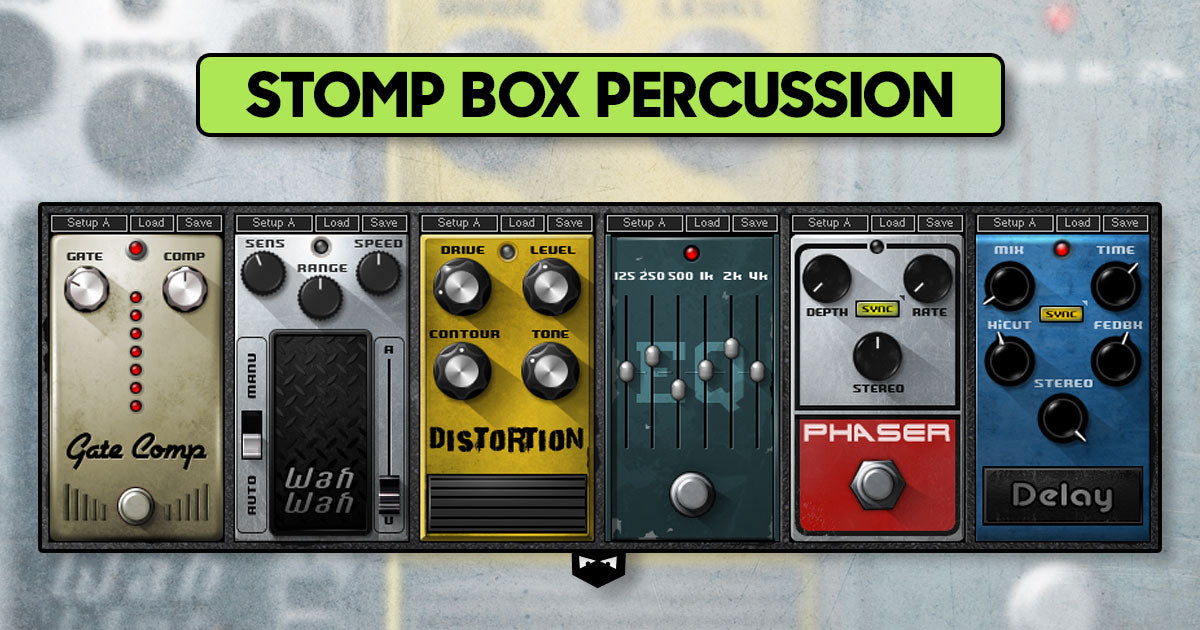
Audiotent Tip 398. Stomp Box Percussion.There are multiple ways to process percussion and transform it into something new and unique.One trick is to send your electronic or acoustic percussion via ...
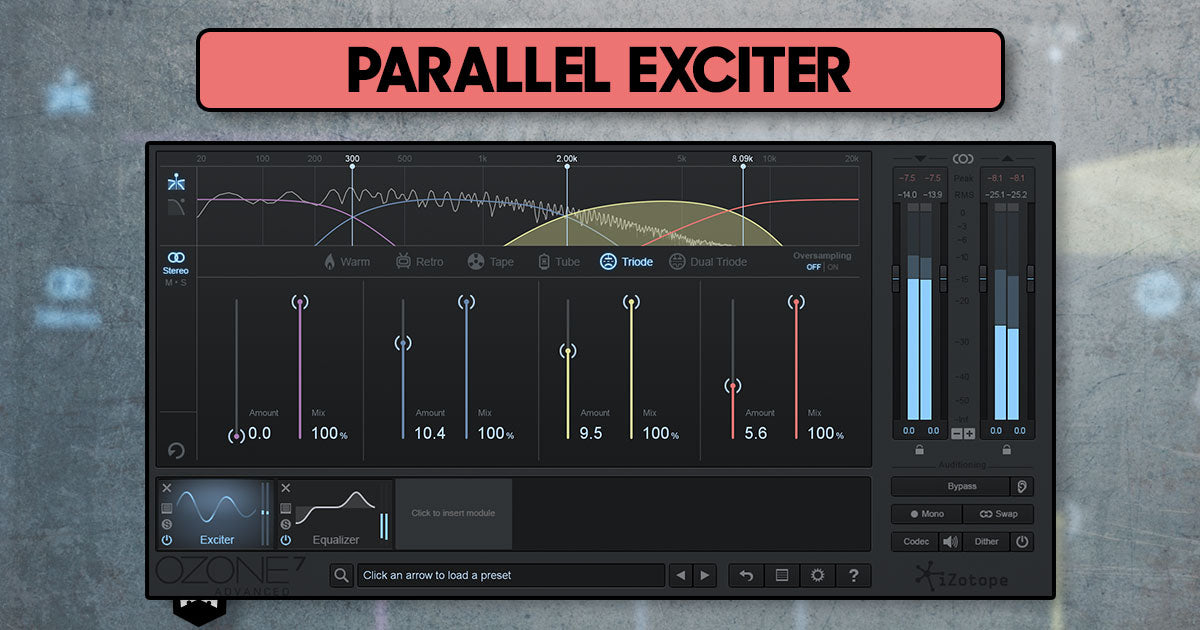
Audiotent Tip 397. Parallel Exciter.Here's a little trick to add some colour and grit to your sound.First, create an AUX channel and add your favourite exciter plugin. Push this processor quite hot...
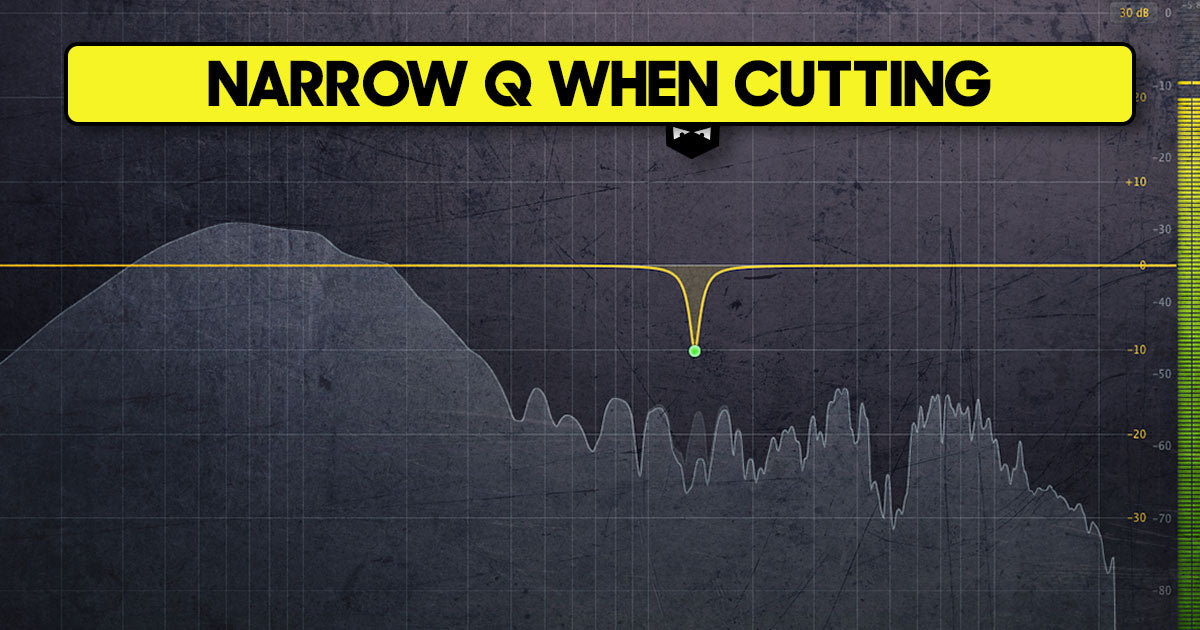
Audiotent Tip 396. Narrow Q When Cutting.When removing unwanted resonances using an equalizer, it's often a good practice to use a narrow Q value.This way the cut is very precise and has less impac...
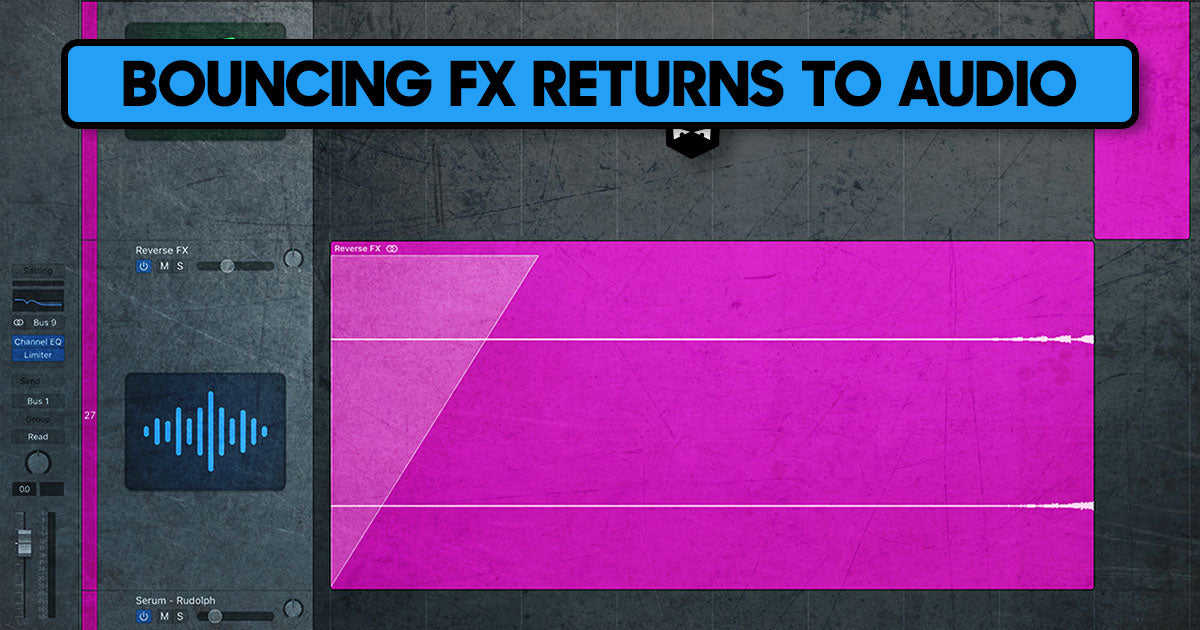
Audiotent Tip 395. Bouncing fx returns to audio.Committing your FX returns to audio might not seem like a necessary task.However, there are a few occasions where this can be especially beneficial.E...
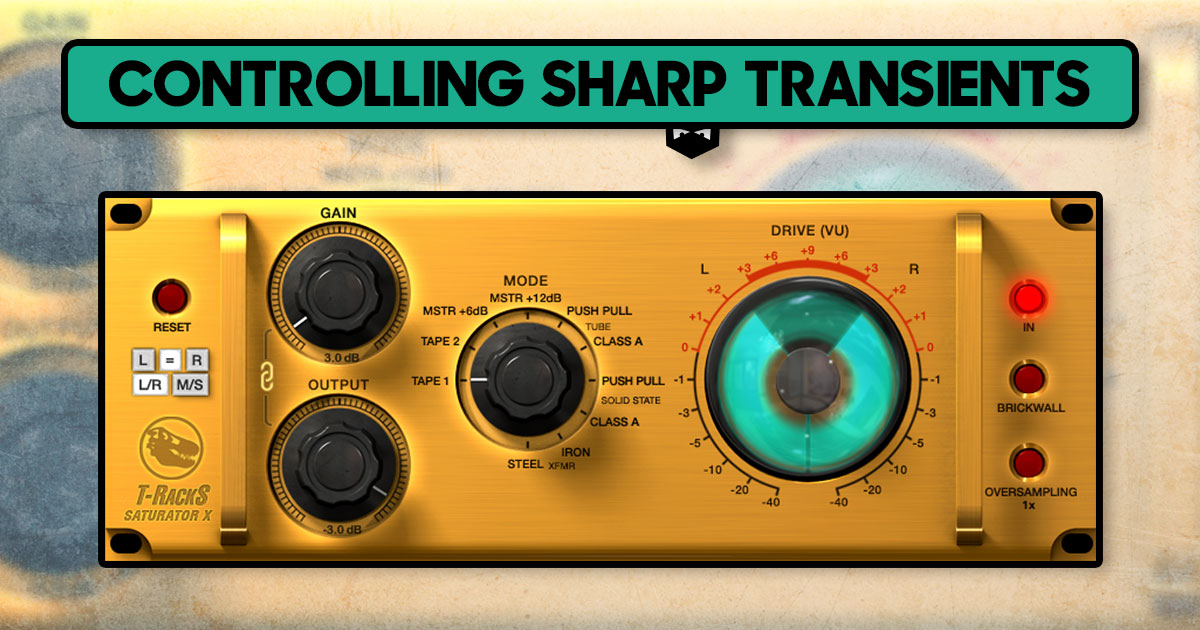
Audiotent Tip 394. Controlling Sharp Transients.There are a few effective tools you can use to control the sharp transients of your drum/percussion/instrument/FX etc.A few of these are limiting, ta...
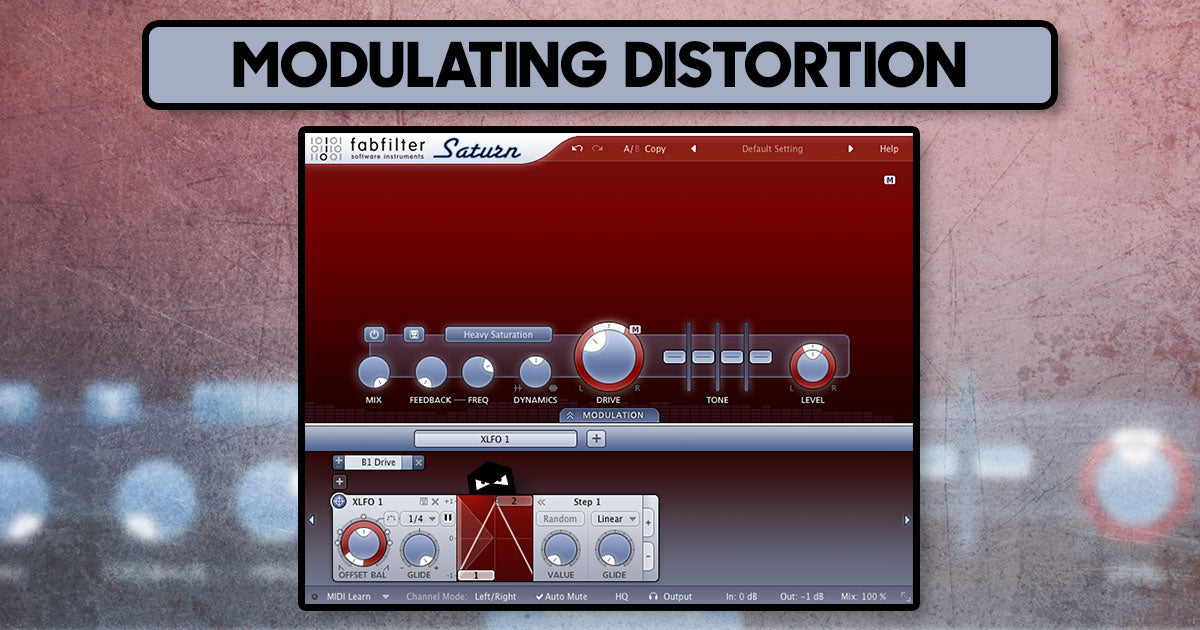
Audiotent Tip 393. Modulating Distortion.Multiple tone variations can be achieved by assigning modulation to your distortion parameters.For example, on a drum group, you could apply a BPM synced LF...
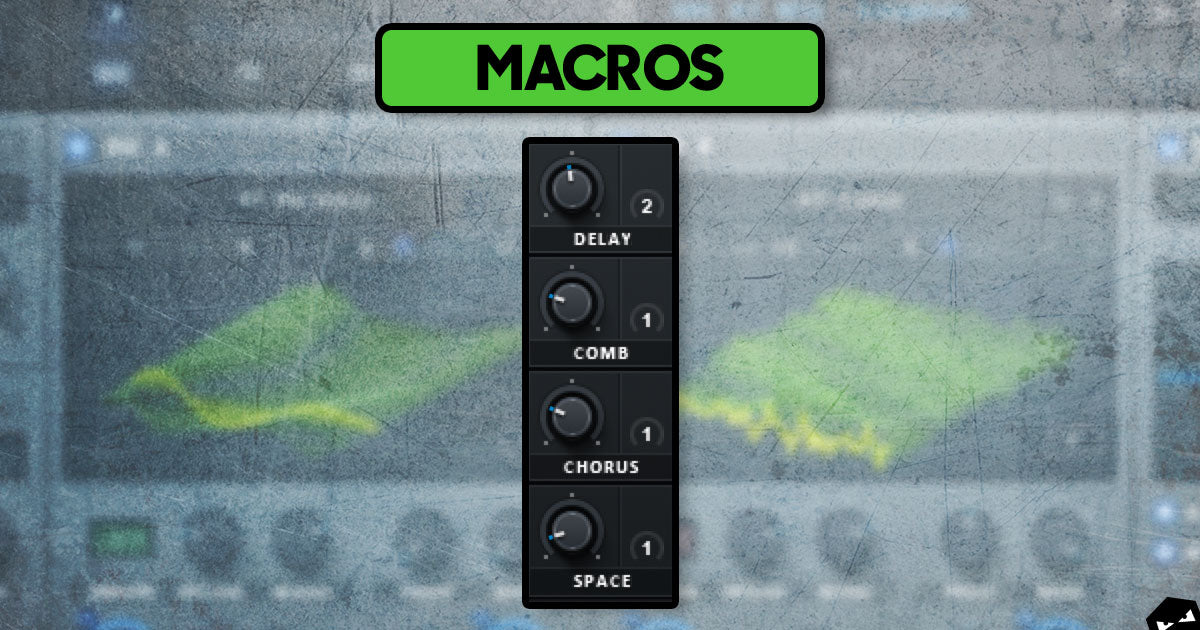
Audiotent Tip 392. Macros.Many of the modern soft synths feature macro controls. They can be assigned to multiple destinations at once.This is especially useful for creating complex sound changes u...
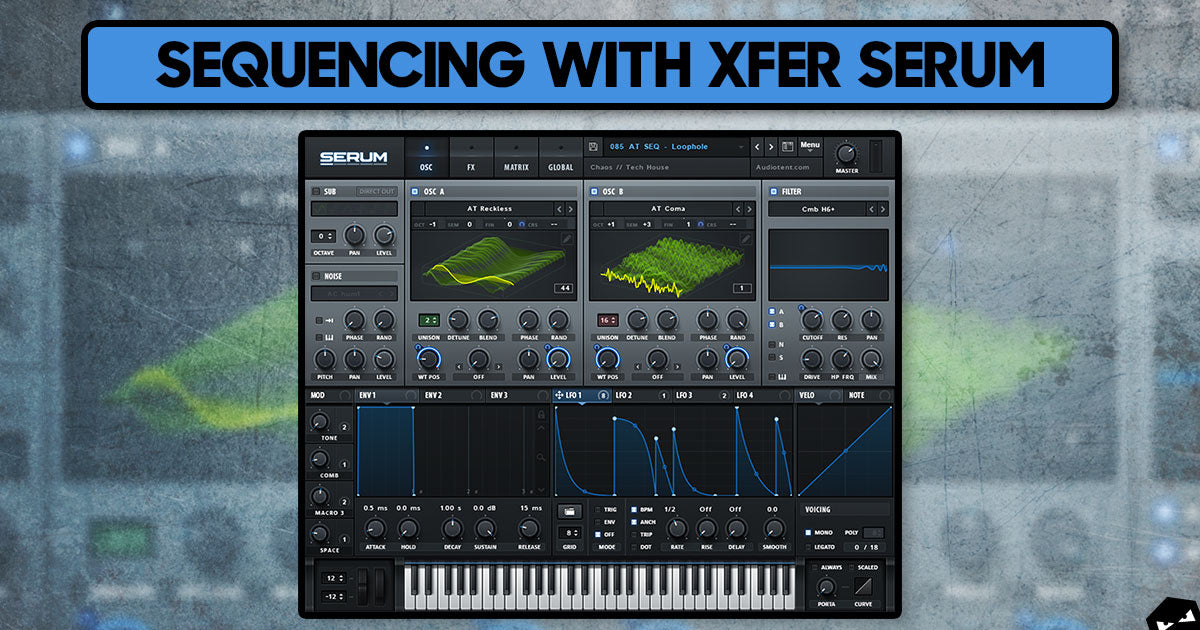
Audiotent Tip 391. Sequencing with Xfer Serum.Here is a great way to achieve interesting rhythms using the Serum's LFO modulation.Start by recording a long MIDI note, lasting 1, 2 or 4 bars.Next, a...

Audiotent Tip 390. Layering with Hi-Hats.A hi-hat can often be used as a layer for your percussive bass, synth or keyboard sounds.It will add an extra transient bite and definition, helping to sit ...
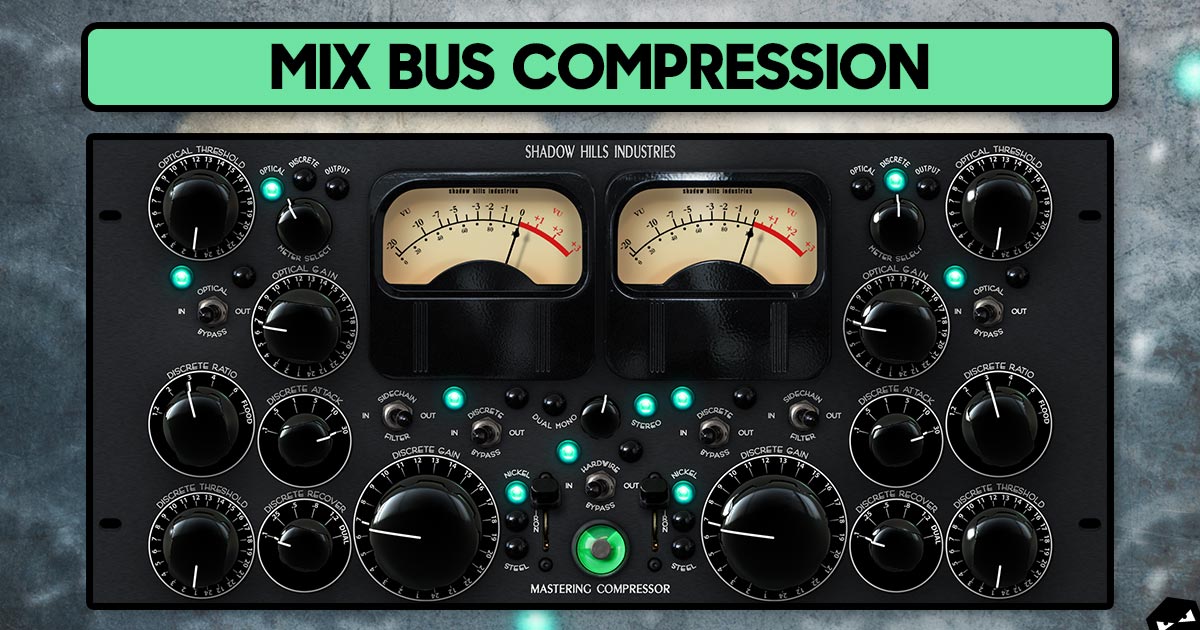
Audiotent Tip 389. Mix Bus Compression.Some producers like to insert a mix bus compressor early on in the project and work into it. Others prefer to leave their master channel empty.There are pros ...