
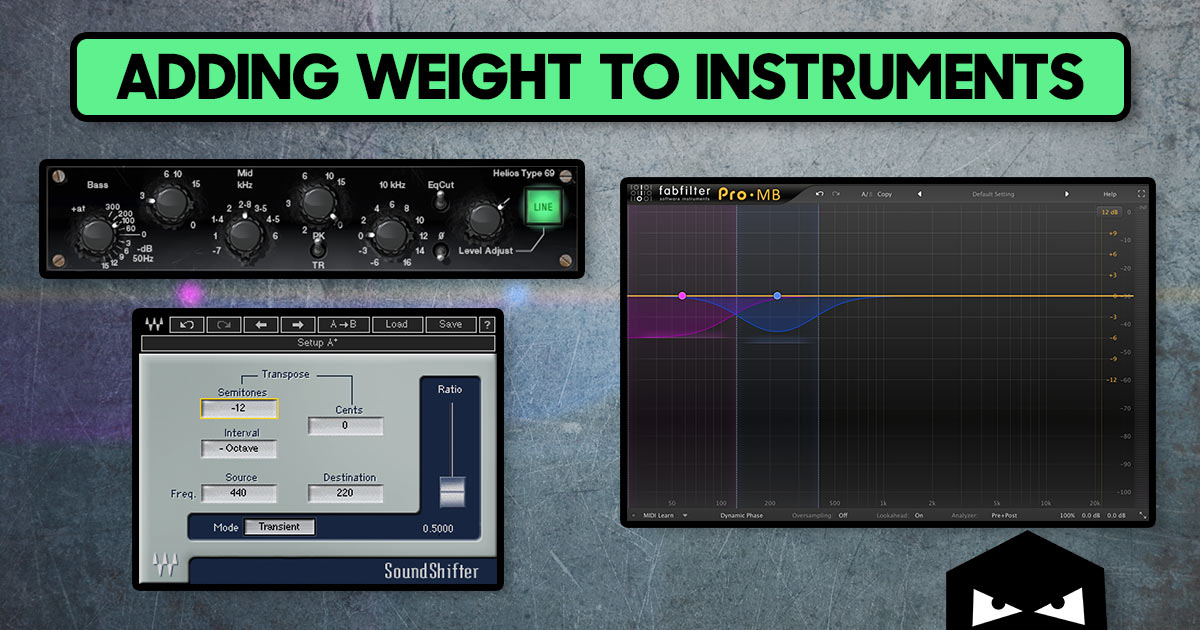
3 Tips To Help Add Weight To Your Instruments
Audiotent Tip 367. Adding Weight To Your Instruments.Here are three great techniques to add weight to your instruments.1) Use an equaliser to boost the low-end of the frequency spectrum. Anything b...
External Hard Drive For Samples
Audiotent Tip 366. External Hard Drive For Samples.Since samples tend to occupy the majority of space for music producers, an external hard drive can be vital to help free up some space on your mai...
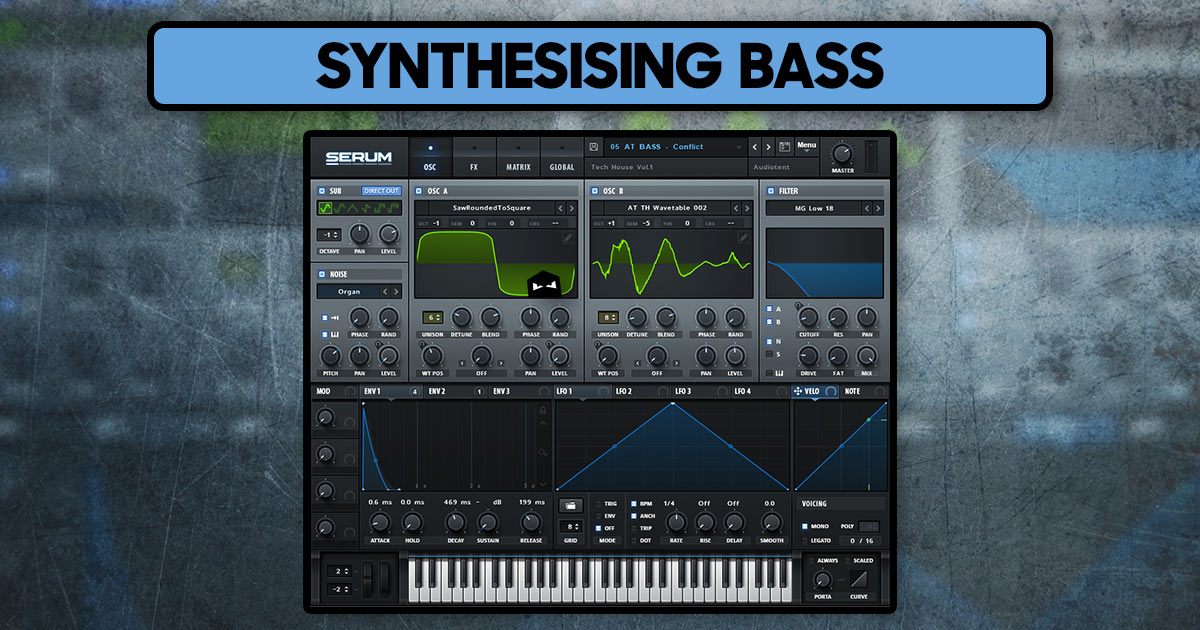
Audiotent Tip 365. Synthesising Bass.There are many ways to synthesise bass. A good starting point is to get the oscillators sounding nice and full, before moving onto the filter section.Try layeri...

Audiotent Tip 364. Vocal Ambience.Interesting vocal effects or atmospheres can be created from tiny snippets of vocal recording.First, cut a little section from a vocal sample. Next, make sure you ...
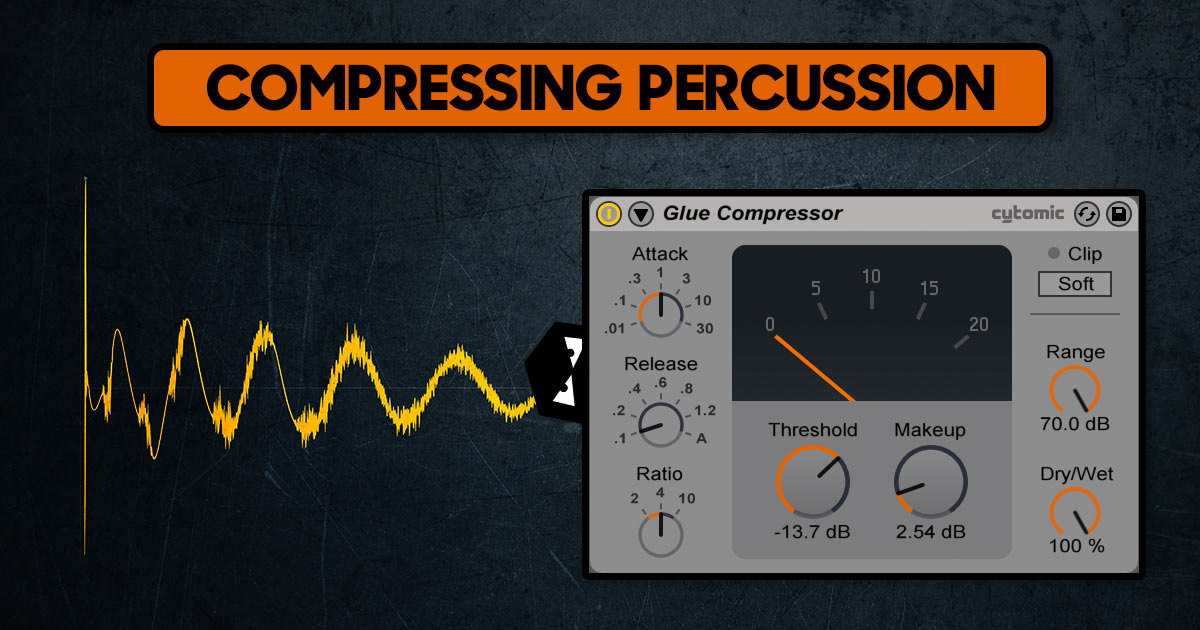
Audiotent Tip 363. Compressing Percussion. Percussion can often be very dynamic and take up lots of valuable headroom in your mix.Compression can help control the percussion by reducing the volume ...
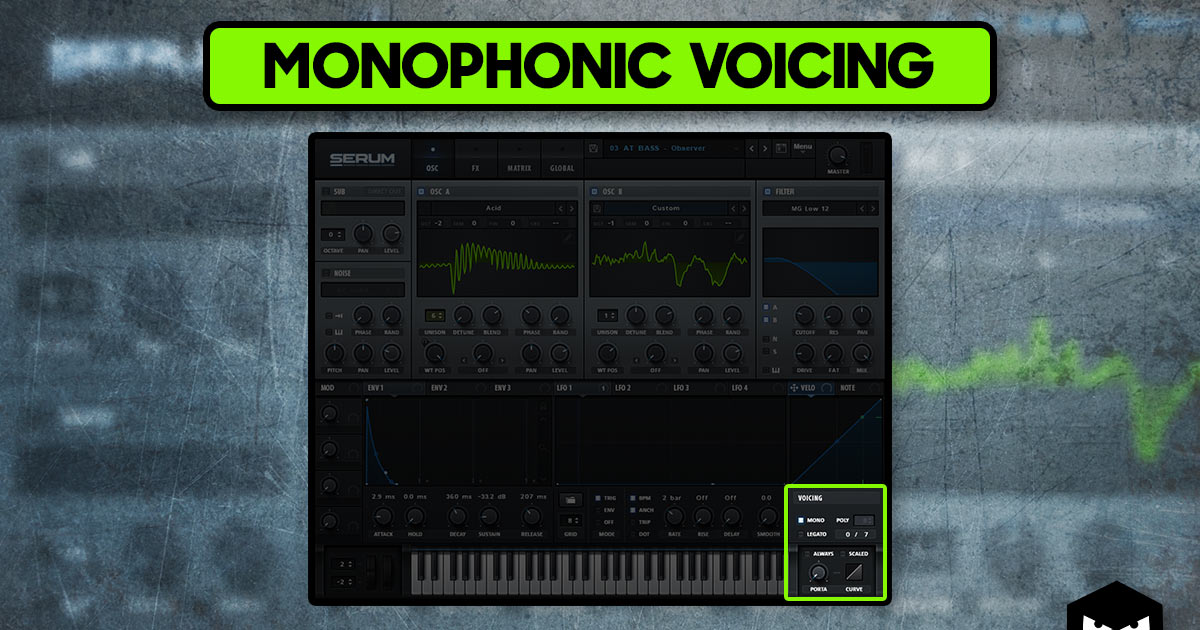
Audiotent Tip 362. Monophonic Voicing.When designing bass patches it is essential to set your synth into monophonic voicing mode.With this switch activated the synthesiser will only allow one activ...
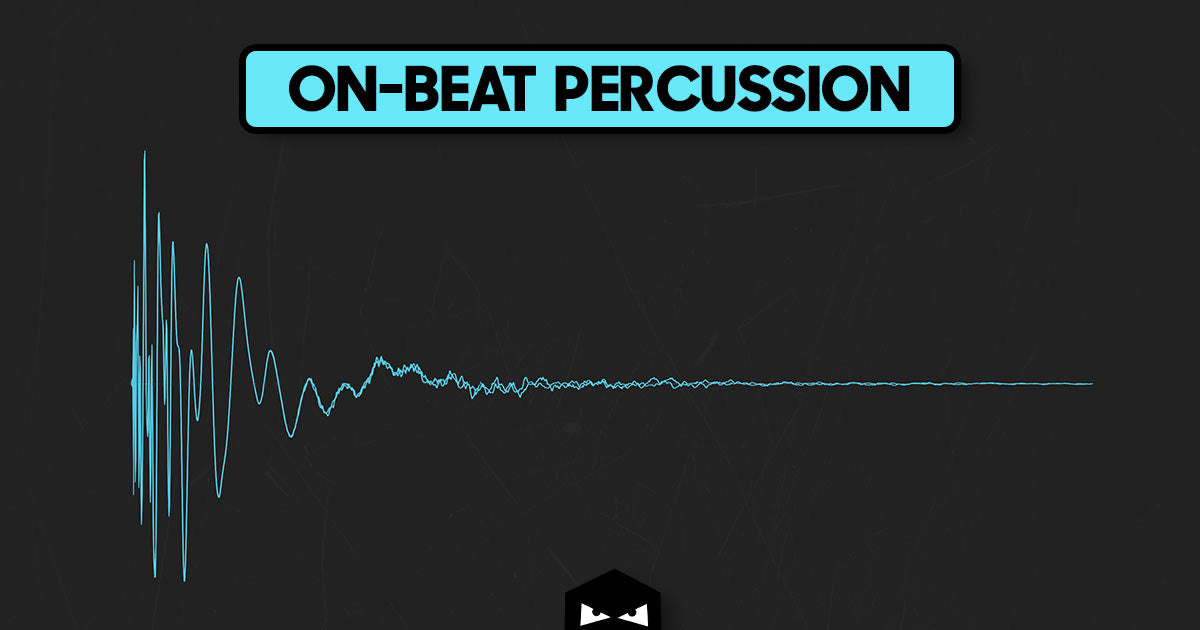
Audiotent Tip 361. On-beat Percussion.If you want to emphasise your 4/4 beat, try adding some percussion directly onto the kick.Tambourine, cowbell or rimshot work great to strengthen the 4/4 accen...
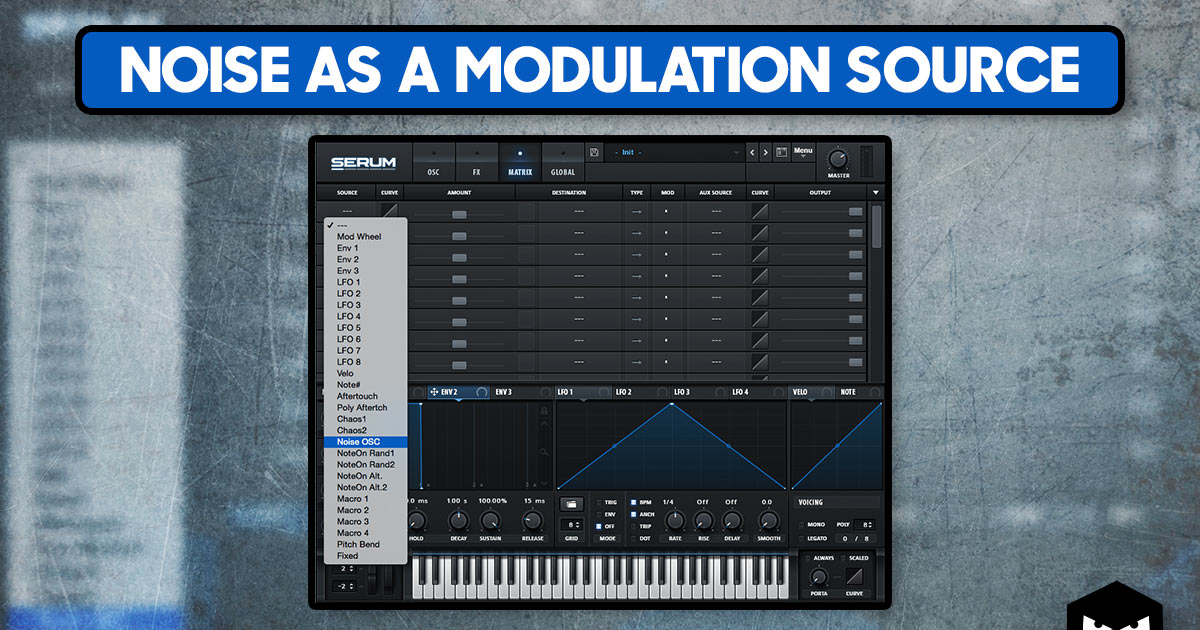
Using noise as modulation source
Audiotent Tip 360. Using noise as a modulation source.To spice up your synthesised sound, try adding some noise as a modulation source.Assign it to the pitch of other oscillators or even a filter.T...

Audiotent Tip 359. Colour Code. A simple but often overlooked feature of the digital audio workstation is the ability to colour code your channels.Having a colour coding system that you always use ...
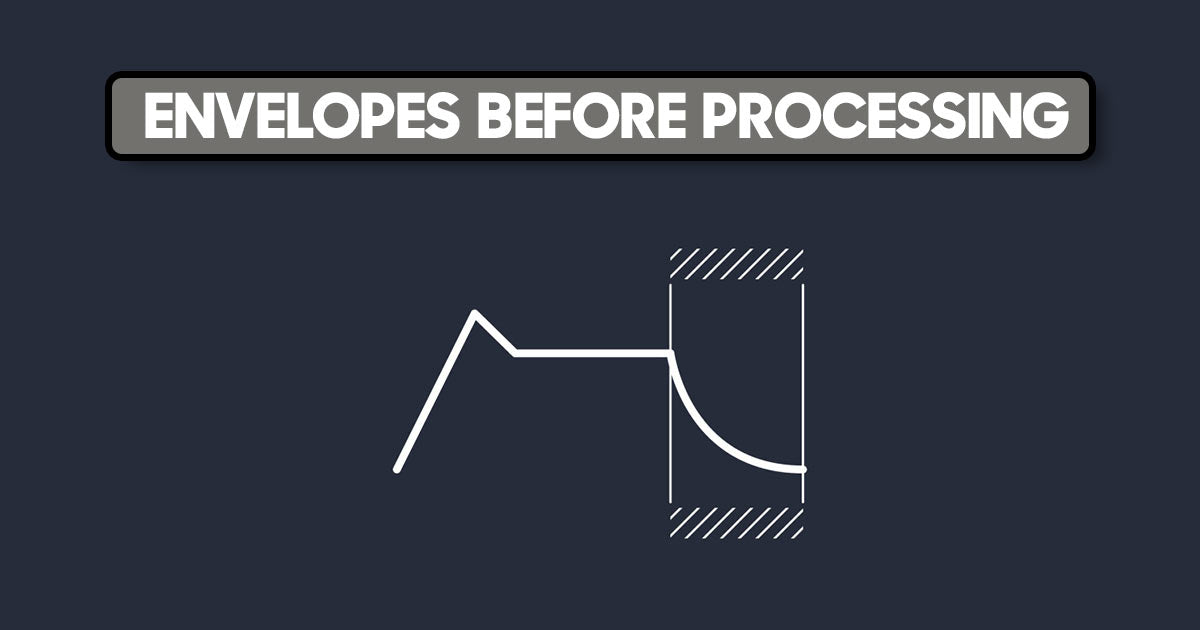
Audiotent Tip 358. Envelopes Before Processing.When designing sounds take the time to shape the sound exactly as you want it with the synth envelopes before you reach for that reverb, eq, distortio...